#seaice

16 posts · Last used 24d

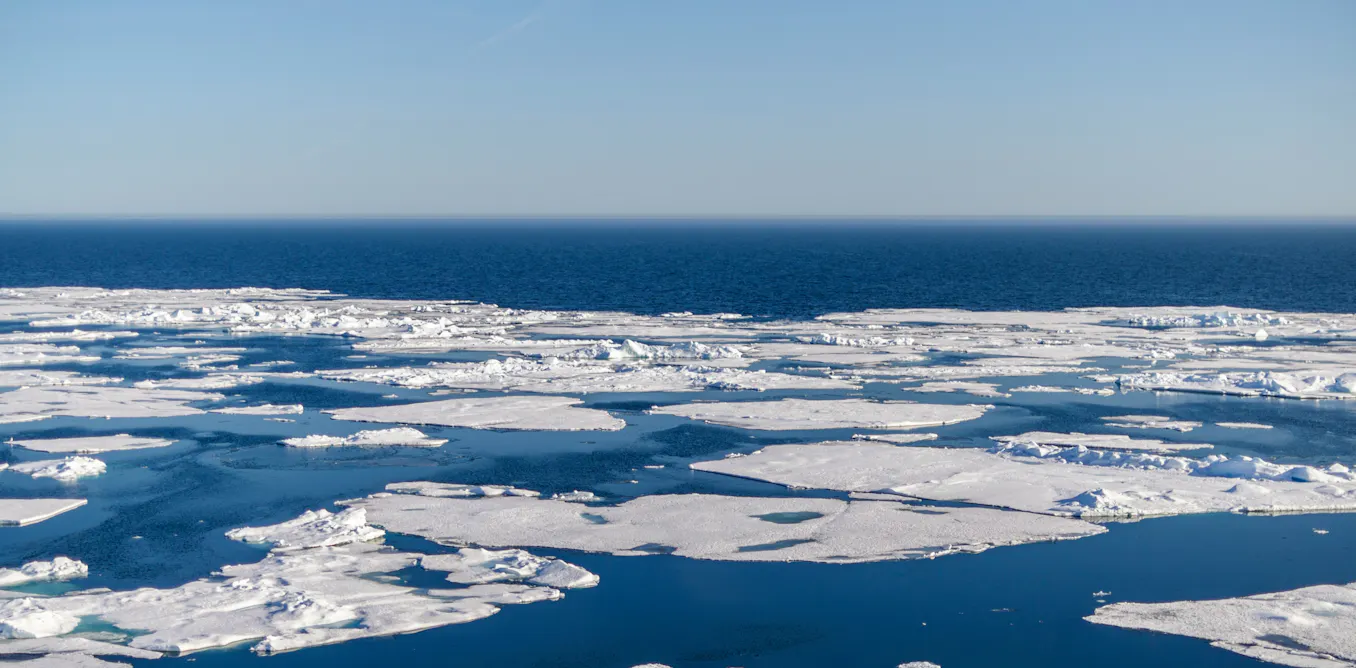
Arctic Sea Ice appeared to be entering a new phase. In the early 2020s, the rapid decline seen over previous decades seemed to ease, leading scientists to ask whether winter sea ice loss had slowed. Our new study suggests that conclusion was premature. After two exceptionally low-ice winters in 2025 and 2026, the recent slowdown disappears. The almost 6% drop between 2024 and 2025 was the largest single-year decline on record. The latest observations restore a statistically significant downward trend, showing how a few unusual years can quickly change the overall picture. https://theconversation.com/arctic-sea-ice-decline-seemed-to-be-slowing-until-two-record-breaking-low-ice-winters-287637?utm_source=dlvr.it&utm_medium=mastodon #ClimateChange #Environment #SeaIce
5
0
4
1
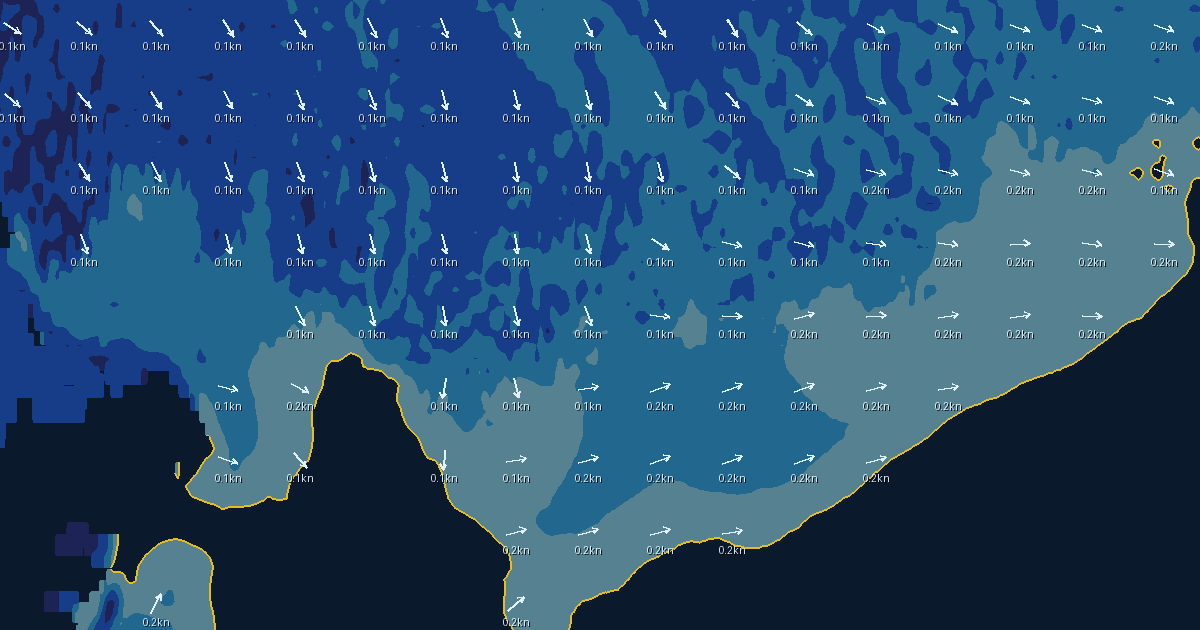
Here’s a Mastodon version centred on the article’s strongest image and argument. A small change to Vector Weather put a yellow line around the Arctic sea-ice edge. Behind it are open scientific data, Canadian satellites, ice analysts, twenty pull requests, and one stubborn bug at the North Pole to tell us what's lobe been Inuit knowledge, The line is practical navigation data. It is also a measure of what Canada imagines, values, and is steadily losing as climate change lengthens the time the Northwest Passage is ice free. https://morganeoger.ca/2026/07/23/the-yellow-line-sea-ice-open-data-and-the-idea-of-north/ #Arctic #SeaIce #OpenData #Canada #NorthwestPassage #ArcticSailing
2
0
0
0
Replying to
#EmperorPenguins were already considered near threatened due to the loss of #coastal #SeaIce, which they rely on for raising chicks. Early ice breakup can lead to colonies falling into the ocean before chicks grow their waterproof feathers, causing the hatchlings to drown. There are less than 600,000 adult emperor penguins left in the wild, & new projections suggest that the population could fall to half that by the 2080s, acc/to the International Union for the #Conservation of #Nature [#IUCN].
9
3
9
0